
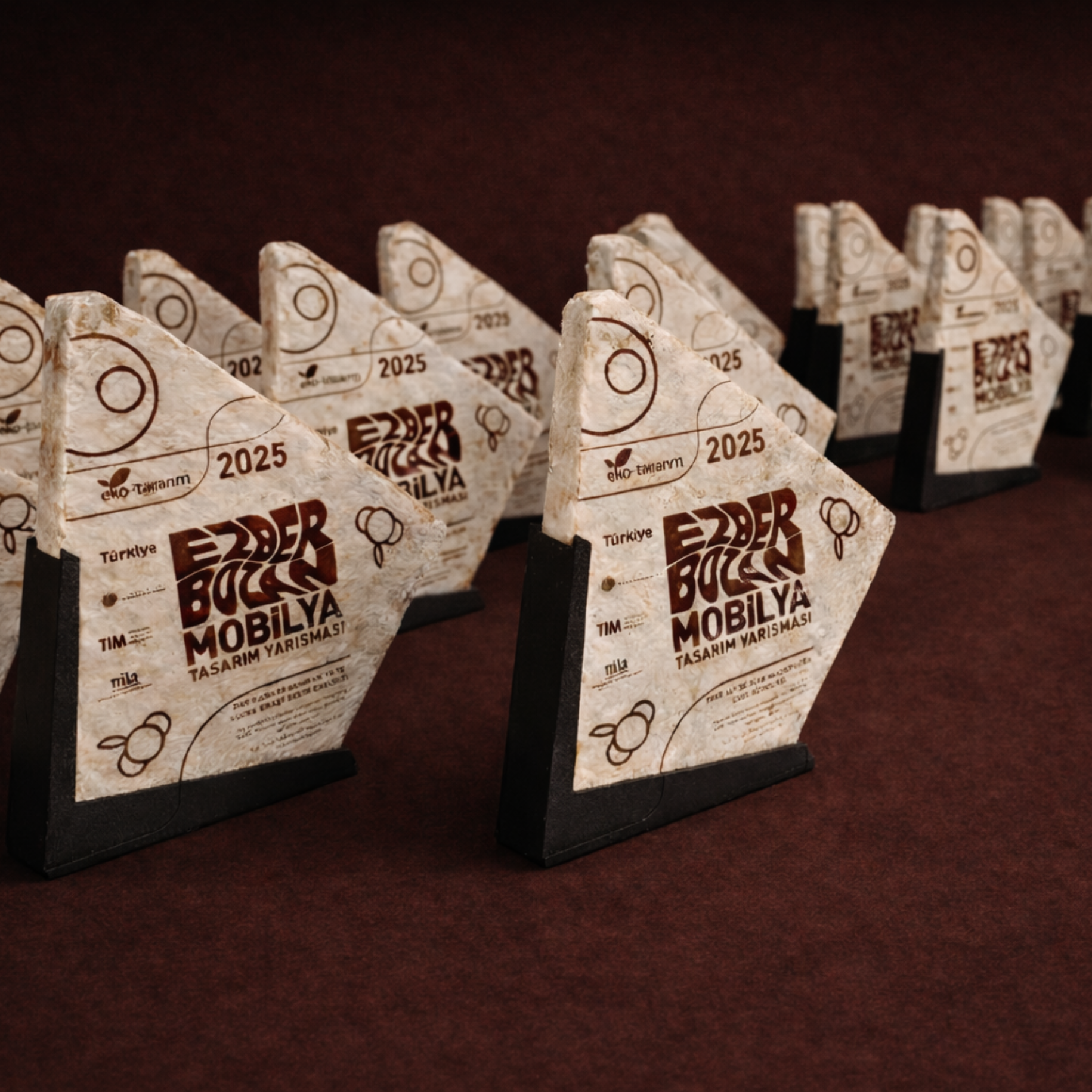
Add prestige to your brand with personalized, nature-friendly gifts and laser-engraved designs. Promotional products that leave an impact can now also be environmentally responsible.
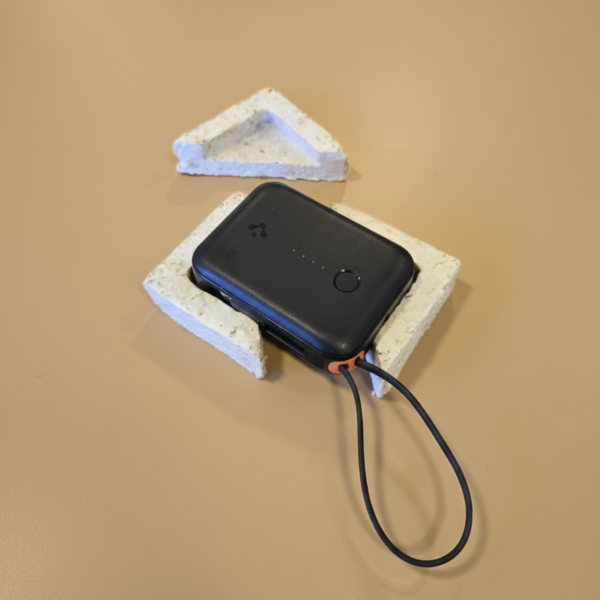
Biodegradable, elegant, and eco-friendly packaging solutions. The most refined way to present your products with a sustainable touch.

Sustainable panels and design products made from mycelium bring nature-inspired aesthetics into spaces. A natural transformation extending from walls to ceilings.
1. Defining Sustainability Priorities
 BIOP identifies priorities in line with each company’s sustainability goals and application requirements. Across different use cases, from packaging to corporate products, a solution framework is created based on the defined need, and the right production approach is shaped accordingly.
2. The Right BIOP Formulation and Original Design
 The most suitable BIOP formulation is selected according to the intended use and material structure of each product. By combining selected organisms, organic waste inputs, and BIOP’s original molding and production methodology, a biomaterial structure tailored to the demand is designed. uygun biyomalzeme yapısı tasarlanır.
3. Biological Prototype Production
 Based on the defined formulation and design, BIOP rapidly produces the first prototype. This allows the form, feel, surface, and overall performance of the product to be evaluated together through a real sample.
4. Low-Carbon, Scalable Production
 The biological production process is supported by a standardized and traceable infrastructure. Instead of relying on conventional industrial methods that require high heat and pressure, production is carried out through the natural growth mechanism of selected fungal organisms, making lower-carbon manufacturing possible. Thanks to BIOP’s pilot production facility, modular structure, and process-control approach, the system provides repeatable quality, order continuity, and adaptable production capabilities for different sectors.
5. Circular Integration
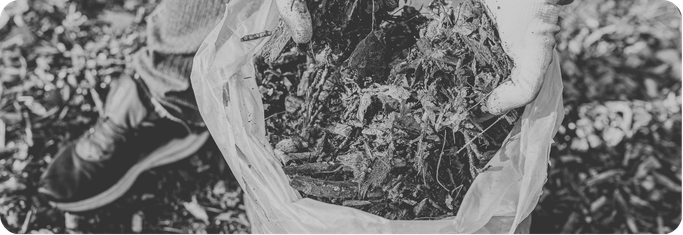
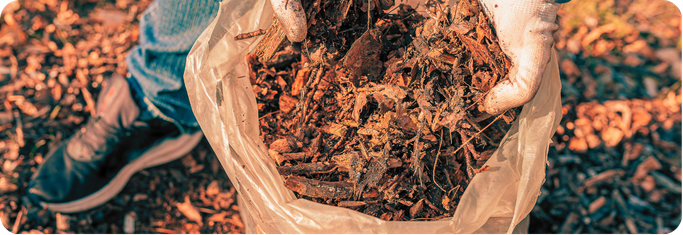
 As the collaboration develops, the integration of the company’s own organic waste streams into the production system is evaluated. This approach makes it possible to include waste in packaging, corporate products, and promotional applications through an upcycling model, while strengthening carbon footprint reduction and giving the brand a tangible sustainability story.